Every child deserves the opportunity to explore, learn, and thrive. Understanding their individual needs, and knowing how to respond when something goes wrong, can help families protect the people they love most.
Every Child Is Unique. Every Child Deserves to Be Safe.
Being a parent or caregiver means wearing a lot of hats.
You're a teacher, chauffeur, cook, cheerleader, problem-solver, and occasionally a detective trying to figure out who ate the last cookie.
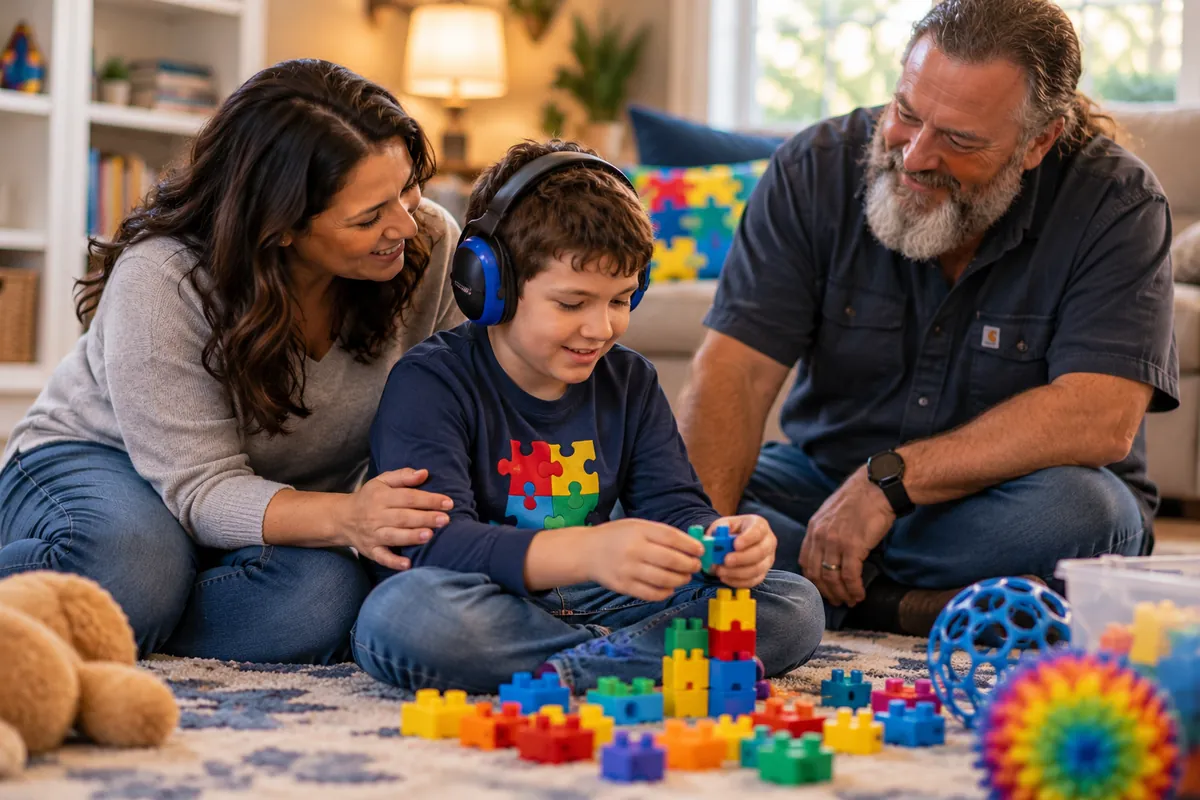
For families raising a child on the autism spectrum, life may also involve learning different ways of communicating, understanding sensory preferences, adapting daily routines, and discovering what helps their child feel comfortable and confident.
There are milestones to celebrate, challenges to work through, and plenty of moments that remind us just how wonderfully unique every child can be.
And like every parent, grandparent, sibling, or caregiver, there's something you want more than anything else:
You want the child you love to be safe, healthy, happy, and able to experience life to the fullest.
That's where understanding your child's individual needs, recognizing potential hazards, and learning CPR and First Aid can make a meaningful difference.
Autism itself isn't dangerous. And being autistic doesn't automatically mean a child is more likely to experience every type of emergency.
However, research has identified certain safety concerns that may affect some autistic children, including wandering, drowning, feeding and swallowing difficulties, and co-occurring medical conditions.
Understanding those concerns isn't about living in fear or limiting a child's independence.
It's about giving children the freedom to grow while helping the people who love them be prepared.
1. Understanding Curiosity, Wandering, and Safety Awareness
Children are naturally curious. They explore their surroundings, investigate interesting objects, and sometimes move faster than the adults trying to keep up with them.
For some autistic children, curiosity may be accompanied by differences in recognizing hazards, responding to verbal instructions, or communicating where they're going.
Some children may be drawn toward water, traffic, or other potentially dangerous environments. Others may leave an overwhelming situation to escape noise, crowds, or sensory discomfort.
This behavior is sometimes called wandering or elopement.
A peer-reviewed study published in Pediatrics in 2012 surveyed 1,218 families of autistic children and found that:
49% reported that their child had attempted to wander or leave a safe environment after age four.
26% reported their child had gone missing long enough to cause concern.
These findings describe the families surveyed, not every autistic child, but they highlight why individualized safety planning matters.
What can families do?
Start by understanding what might motivate your child's wandering. Is it curiosity? A favorite location? Sensory overload? A desire for quiet?
Consider appropriate door and gate safeguards, supervision near roads and water, and teaching safety skills in ways your child understands.
Make sure other caregivers know your child's communication preferences and what to do if they wander.
And remember, even the most attentive caregiver cannot control every unexpected situation.
That's one reason knowing First Aid and CPR can be so valuable.
If an accident happens, knowing how to recognize serious injuries, call 911, and provide appropriate immediate assistance helps turn preparation into action.
2. Water Safety: Protecting Children While Encouraging Exploration
Swimming, splashing, and playing near water can be wonderful childhood experiences.
But water safety deserves special attention for families whose children wander or have difficulty recognizing dangerous situations.
A 2017 study published in the American Journal of Public Health found that autistic children in the population studied had a substantially higher estimated risk of drowning death than the general pediatric population.
The study reported an approximately 160-fold difference, although that estimate came from historical mortality data and should not be interpreted as an individual child's likelihood of drowning.
The research highlights an important concern, but it doesn't mean families should avoid water activities.
It means we should approach those activities with appropriate precautions and preparation.
Swimming instruction suited to the child's abilities, secure pool barriers, close supervision, and individualized water-safety plans can help reduce risk.
And because emergencies can still happen, caregivers should understand how to respond to drowning.
Drowning emergencies are particularly important because a lack of oxygen can lead to cardiac arrest.
The American Heart Association recommends CPR with chest compressions and rescue breaths for children in cardiac arrest, including following drowning.
Imagine being at a family gathering when a child is pulled unresponsive from a swimming pool.
Would the adults nearby recognize that the child needs CPR?
Would they know how to begin compressions and rescue breaths while someone calls 911?
These aren't questions intended to frighten families.
They're questions that help us recognize the value of being prepared.
Water safety helps prevent emergencies. CPR training helps us respond if prevention isn't enough.
3. Mealtimes, Sensory Differences, and Choking Prevention
For many families, mealtime is about more than eating.
It's a chance to gather, connect, and share experiences.
But some autistic children experience sensory differences that make certain foods, textures, temperatures, or smells uncomfortable.
Research has consistently identified associations between autism, sensory processing differences, and selective eating.
It's important to distinguish food preferences from swallowing problems.
Sensory sensitivities alone do not establish that a child has an increased risk of choking.
However, some children may also experience difficulties with chewing, swallowing, food pacing, or putting too much food in their mouths at once.
Those challenges can create additional safety concerns.
Families can help by understanding their child's eating patterns, encouraging appropriate mealtime habits, supervising meals when needed, and consulting a healthcare professional if chewing or swallowing difficulties are suspected.
But what if choking happens?
Imagine enjoying dinner together when a child suddenly becomes unable to speak, breathe, or cough effectively.
Would you know what to do?
The American Heart Association's 2025 guidelines recommend alternating five back blows with five abdominal thrusts for a conscious child experiencing severe airway obstruction. For infants, five back blows alternate with five chest thrusts instead.
Knowing the appropriate response for the child's age can be life-saving.
A hands-on First Aid class allows parents, grandparents, siblings, and caregivers to learn and practice these skills before an emergency occurs.
Because while we cannot predict every choking incident, we can prepare ourselves to respond.
4. Recognizing Medical Emergencies When Children Communicate Differently
One of the most important things families learn is how their child communicates.
Some autistic children speak fluently. Others communicate through gestures, pictures, sign language, assistive communication devices, or a combination of methods.
A child may communicate discomfort through words, changes in behavior, facial expressions, or actions that are familiar to the people closest to them.
This makes knowing your child especially valuable.
A parent might recognize that an unusual behavior means their child is experiencing pain.
A grandparent might notice that a normally active child has suddenly become unusually quiet.
A sibling might recognize that something isn't right before anyone else does.
These observations matter.
And when combined with First Aid training, they can help caregivers recognize when a situation requires medical attention.
Understanding co-occurring medical conditions
Some autistic children also have medical conditions that require additional monitoring or emergency planning.
Epilepsy is one example.
A U.S. population survey study reported epilepsy in approximately 8.6% of children with autism, although prevalence varies across studies and populations.
For families caring for a child with epilepsy, knowing seizure First Aid is particularly important.
Caregivers should understand how to protect the child from injury, time a seizure, avoid restraining movements, and recognize when emergency assistance is necessary.
A seizure lasting five minutes or longer, difficulty breathing or waking afterward, or a first-time seizure requires emergency medical attention.
Children with diagnosed epilepsy should also have an individualized seizure action plan developed with their healthcare team.
Other children may have medical concerns involving breathing, swallowing, mobility, or additional developmental conditions.
Not every child experiences these challenges.
The key is knowing your child's specific needs, sharing that information with trusted caregivers, and ensuring everyone understands how to respond.
5. When Seconds Matter: What Research Tells Us About CPR
One of the most encouraging things about learning CPR is that research shows early intervention can improve outcomes.
When someone experiences cardiac arrest, the heart stops effectively circulating blood to the brain and other vital organs.
Without prompt intervention, the situation can quickly become life-threatening.
But bystander CPR can make a meaningful difference.
A study published in JAMA Pediatrics in 2017 examined pediatric out-of-hospital cardiac arrests and found an association between bystander CPR and improved survival.
Adjusted survival to hospital discharge was estimated at approximately 13.2% for children receiving bystander CPR compared with 9.5% for those who did not.
More recent research involving 10,991 pediatric cardiac arrests also found that CPR started within the first three minutes was associated with approximately twice the adjusted odds of favorable neurological survival compared with no bystander CPR.
These findings apply to children generally, not specifically to autistic children.
And they don't guarantee a particular outcome.
But they demonstrate something important:
The actions of a parent, grandparent, sibling, or caregiver before emergency responders arrive can make a real difference.
For children, learning CPR with rescue breaths is especially valuable because many pediatric cardiac arrests begin with breathing problems.
And while calling 911 is essential, the ability to begin appropriate care while waiting for emergency responders is an additional benefit.
6. Building a Circle of Prepared Caregivers
Parents cannot be everywhere at once.
And they shouldn't have to carry every responsibility alone.
Grandparents, older siblings, babysitters, relatives, teachers, respite caregivers, and trusted friends may all play important roles in a child's life.
Each person brings something valuable.
A grandparent may know how to comfort a child during sensory overload.
An older sibling may recognize when their brother or sister is becoming overwhelmed.
A babysitter may understand the child's favorite activities and daily routines.
A teacher may know the best way to communicate instructions.
Imagine combining that personal understanding with practical emergency-response training.
That's the benefit of building a circle of prepared caregivers.
Consider developing a family safety plan that includes:
Individual needs: Communication preferences, sensory sensitivities, and effective ways to provide comfort.
Known medical concerns: Allergies, medications, medical conditions, and individualized emergency plans.
Environmental safety: Precautions around water, roads, exits, food, and other hazards relevant to your child.
Emergency contacts: Who to call and where important medical information is kept.
CPR and First Aid skills: Making sure caregivers know how to recognize and respond to serious emergencies.
Older siblings who are developmentally ready can also learn age-appropriate emergency skills, including recognizing danger and calling 911.
That doesn't mean making children responsible for adult supervision.
It means helping everyone in the family become more knowledgeable and prepared.
7. Why Hands-On CPR and First Aid Training Is Worthwhile
You can read about CPR.
You can watch videos explaining how to help someone who is choking.
You can even memorize the steps for responding to an emergency.
Those resources can be helpful starting points.
But there's something different about practicing the skills yourself.
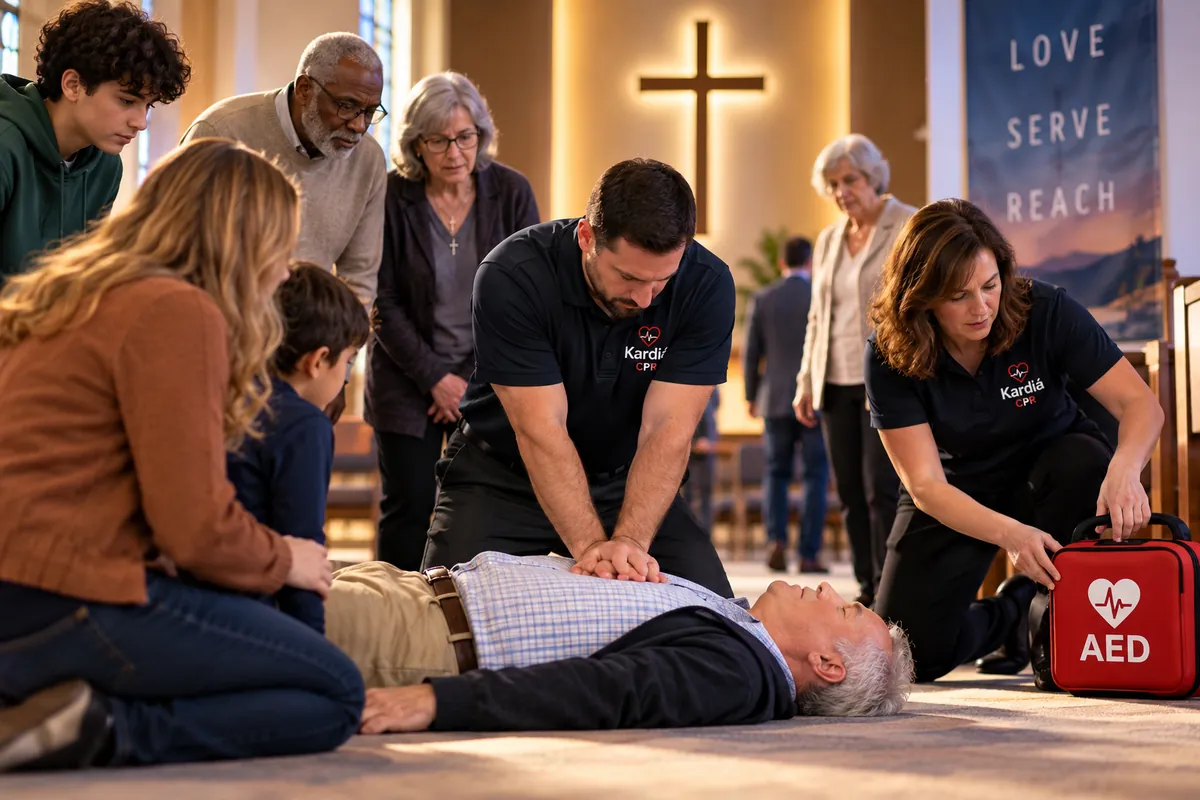
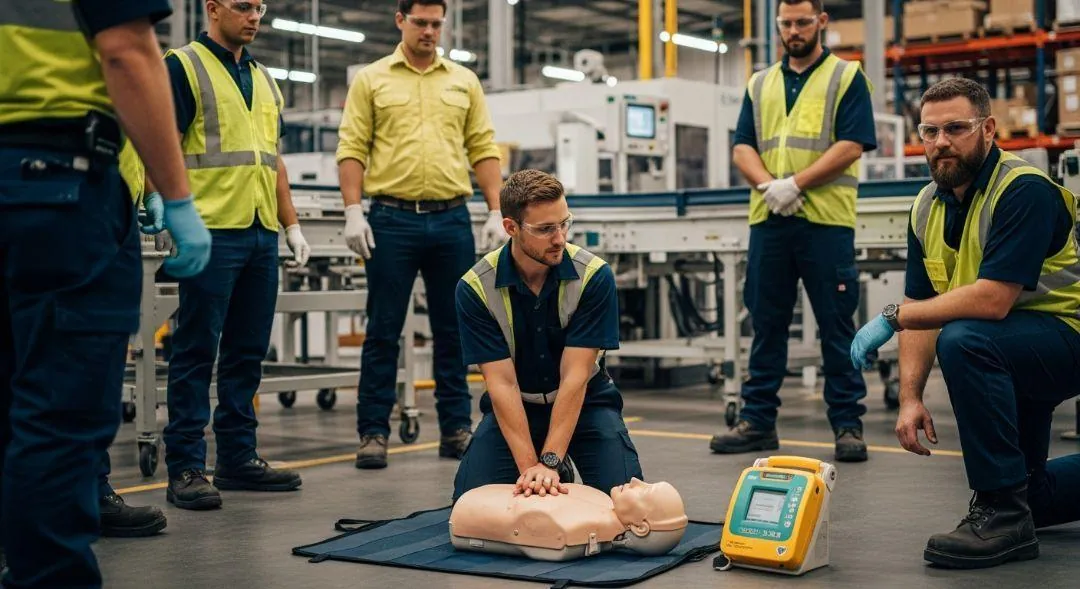
In a hands-on class, you can practice chest compressions, rescue breaths, choking response, and AED use with an instructor providing feedback.
You can ask questions.
You can make mistakes in a safe learning environment and correct them.
And you can develop familiarity with skills you hope you'll never need.
For families caring for children with autism, training also provides an opportunity to discuss how emergency-response principles apply to their child's particular circumstances.
The goal isn't to turn parents and grandparents into medical professionals.
It's to help everyday people become more capable of responding when someone they love needs help.
You don't have to know everything. But knowing what to do next can make a tremendous difference.
8. It's About Love, Independence, and Preparation
Families raising children on the autism spectrum already understand the importance of patience, encouragement, and adaptability.
You celebrate progress.
You recognize strengths.
You advocate for opportunities.
And you work to create a world where your child can grow, learn, and experience life in ways that are meaningful to them.
Safety planning is part of that journey.
It shouldn't be about restricting a child's world because of fear.
It should be about understanding their needs and creating an environment where they can participate as safely and independently as possible.
Sometimes that means adjusting the environment.
Sometimes it means teaching new skills.
Sometimes it means providing additional supervision.
And sometimes it means making sure the people around your child know CPR and First Aid.
All of those efforts work together.
Understand their needs. Prevent the hazards you can. Prepare for the emergencies you can't predict.
Because protecting a child isn't about preventing them from experiencing life.
It's about helping them experience life with the support, care, and preparation they deserve.
Your Child Is Worth Being Prepared For
At Kardiá CPR, we believe that life is in your hands.
For parents, grandparents, siblings, and caregivers, that message takes on special meaning.
The hands that comfort a frightened child, celebrate a milestone, or help them learn something new may someday be the same hands called upon to provide life-saving assistance.
And while we hope that moment never comes, being prepared matters.
Kardiá CPR offers hands-on CPR, AED, and First Aid training for families, caregivers, schools, churches, and organizations throughout Oklahoma.
Our goal is to make training approachable, practical, and encouraging, whether you're learning for the first time or refreshing skills you've learned before.
You don't need a medical background.
You don't need to be an expert.
You simply need to be willing to learn.
Because when someone you love needs help, knowing what to do can make all the difference.
Ready to Help Protect the Children You Love?
Whether you're a parent, grandparent, older sibling, babysitter, or professional caregiver, consider taking the next step toward being prepared.
Schedule a CPR and First Aid class for yourself, your family, or your caregiving team.
Don't wait for an emergency to wish you knew what to do.
Contact Kardiá CPR today to learn about individual and group training opportunities throughout Oklahoma.
Kardiá CPR. Life Is in Your Hands.