Robert Marien, a performer who survived cardiac arrest thanks to the actions of people around him, shared a powerful reminder:
"Anyone can be a hero. They did a simple thing, but a vital one."
- Heart and Stroke Foundation "Man on a Mission"
That captures exactly why I believe CPR training is for everyone.
You don't have to be famous, work in healthcare, or have years of medical training to make a difference.
You just need to be willing to learn, practice, and be prepared to act.
Because sometimes, the difference between a tragedy and a second chance is an ordinary person who knew what to do.
You don't need a medical degree, a superhero cape, or years of training to make a difference. Sometimes, you just need to know what to do when someone needs you most.
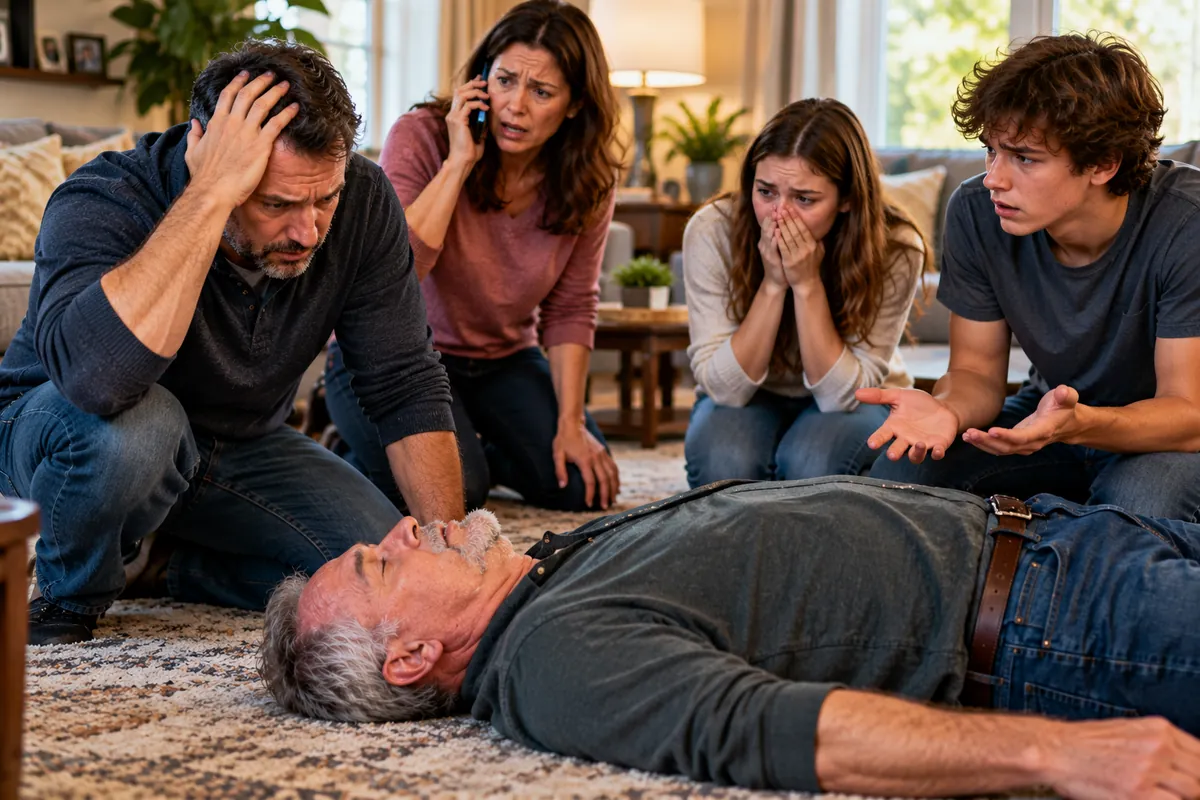
Picture this.
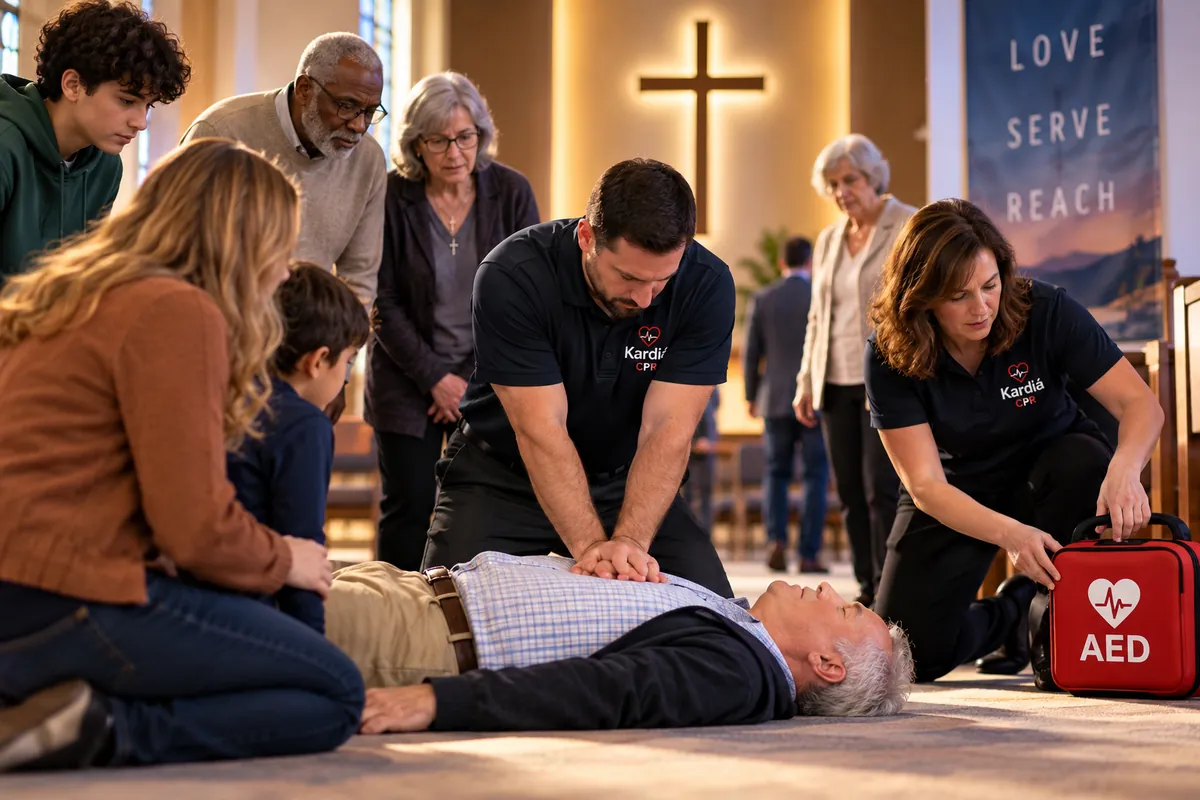
You're enjoying dinner with your family, attending church, watching your child's soccer game, or simply spending a quiet evening at home.
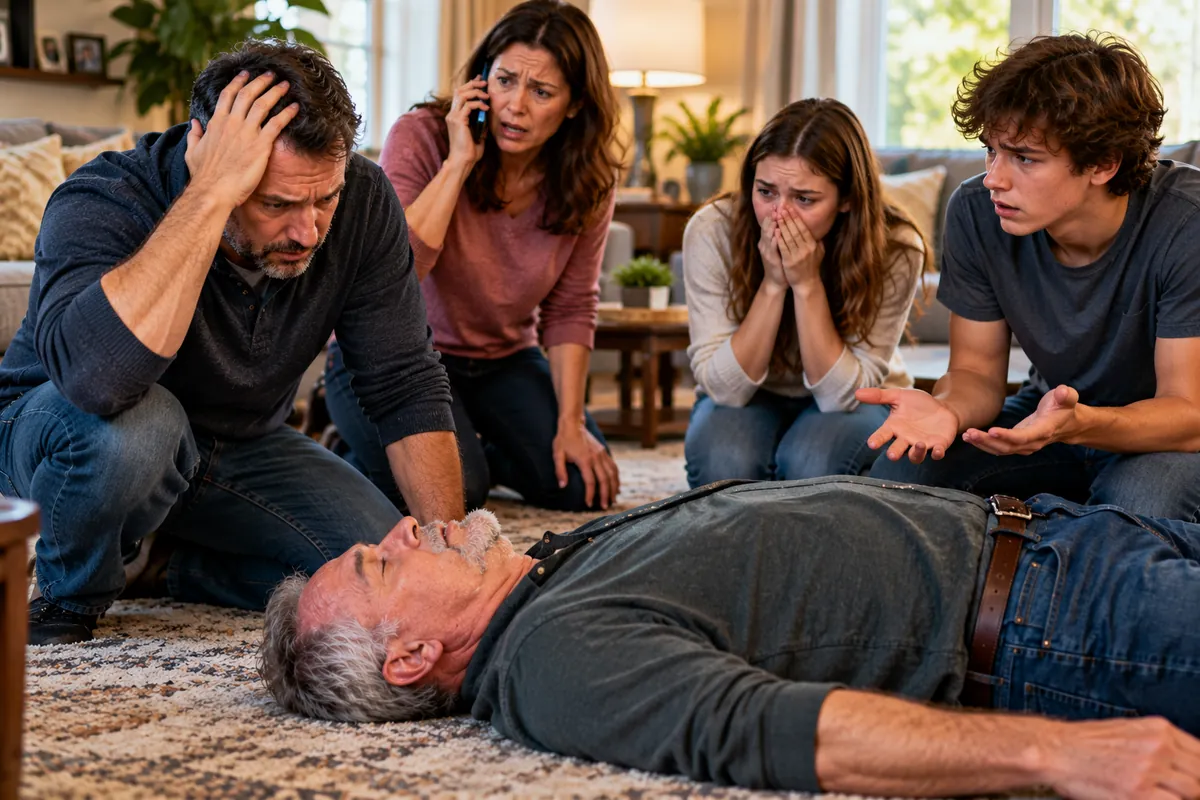
Suddenly, someone collapses.
They're unresponsive. They're not breathing normally.
Someone calls 911. Everyone looks around, hoping somebody knows CPR.
What if that somebody could be you?
When most people think about CPR training, they picture nurses, paramedics, firefighters, or other healthcare professionals.
But cardiac arrest doesn't check someone's occupation before it happens. And it certainly doesn't wait for a medical professional to arrive.
That's why learning CPR isn't just for people who work in healthcare.
It's for parents, grandparents, babysitters, teachers, coaches, coworkers, neighbors, and anyone who wants to be prepared to help another person.
Cardiac Arrest Can Happen Anywhere, Especially at Home
Approximate 350,000 U.S. out-of-hospital cardiac arrests occur annually.
An average of 90% result in death, according to AHA estimates.
A little over 70% occur in homes or residential settings
Approximately 42% Of adult cases received bystander CPR in 2024 data (American Heart Association)
One of the most important statistics is also one of the most personal: more than 70% of out-of-hospital cardiac arrests happen in residential settings. AHA CPR & First Aid
Think about that for a moment.
If you ever need to perform CPR, there's a very real possibility it won't be on a stranger.
It could be your spouse, your parent, your child, your best friend, or someone you love.
We prepare for emergencies in all kinds of ways. We install smoke detectors, keep fire extinguishers nearby, and buckle our seat belts.
Learning CPR deserves a place on that list.
When Seconds Count, Your Response Matters
During cardiac arrest, the heart suddenly stops pumping blood effectively. Without circulation, the brain and other vital organs are deprived of oxygen.
That's why every moment matters.
Research published in 2025 examined 194,807 witnessed out-of-hospital cardiac arrests occurring between 2013 and 2023.
Compared with receiving no bystander CPR, starting CPR within the first minute was associated with approximately78% higher odds of surviving to hospital discharge. Starting within two to three minutes was associated with approximately 57% higher odds.
These are adjusted statistical associations, not guarantees of survival, but they demonstrate why early action is so important. (Pub Med)
And according to the American Heart Association, immediate CPR can double or even triple someone's chances of survival. (American Heart Association)
You don't have to replace the ambulance. You just need to help until it arrives.
That's what CPR training prepares you to do.
What If You're Afraid of Doing Something Wrong?
One of the biggest obstacles to bystander CPR isn't a lack of compassion.
It's fear.
What if I hurt someone? What if I forget what I learned? What if I don't do it perfectly?
Those are understandable questions.
Here's something worth remembering: When someone is in cardiac arrest, they're already experiencing a life-threatening emergency. CPR helps maintain blood flow while emergency responders are on their way.
You don't have to be perfect to be helpful.
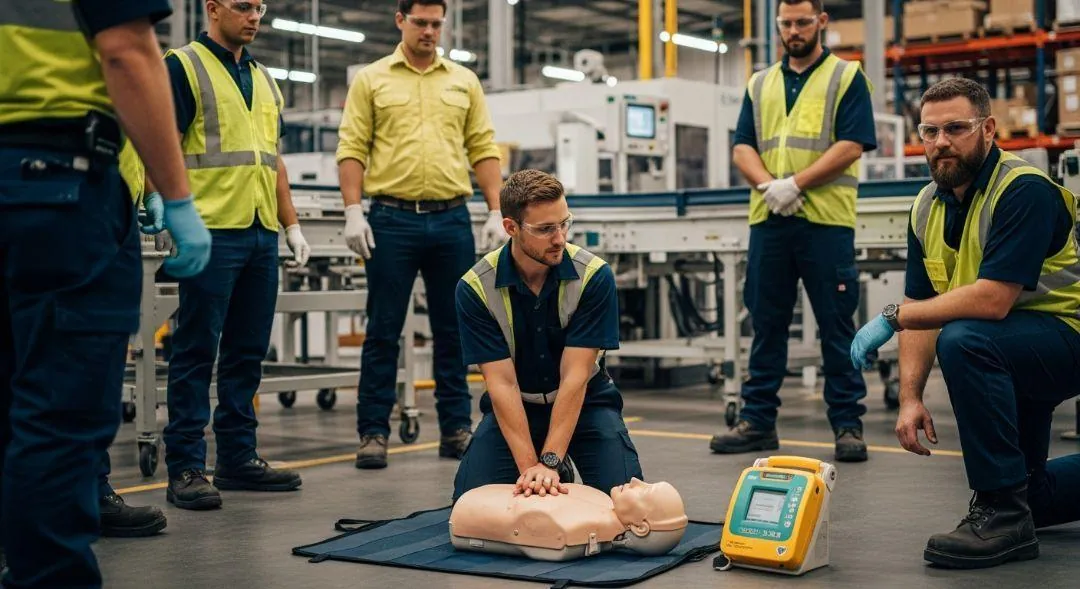
Training gives you the opportunity to practice recognizing cardiac arrest, calling for help, performing chest compressions, and using an automated external defibrillator (AED).
And yes, CPR manikins can look a little intimidating at first.
Fortunately, they're very patient students. They never complain about your technique, and they don't even ask for a coffee break!
The goal isn't to turn you into a paramedic.
It's to help turn uncertainty into confidence and hesitation into action.
What About Good Samaritan Laws? Am I Protected If I Help?
Another common concern is the fear of being sued for trying to save someone's life.
Fortunately, Oklahoma has laws designed to protect people who provide emergency assistance in good faith.
UnderOklahoma's Good Samaritan Act, Title 76, Section 5(A)(2), a person who acts in good faith to provide certain emergency care, including restoring breathing or helping restore circulation, is protected from civil damages when the statute's conditions are met, including the absence of a prior contractual relationship. OSCN
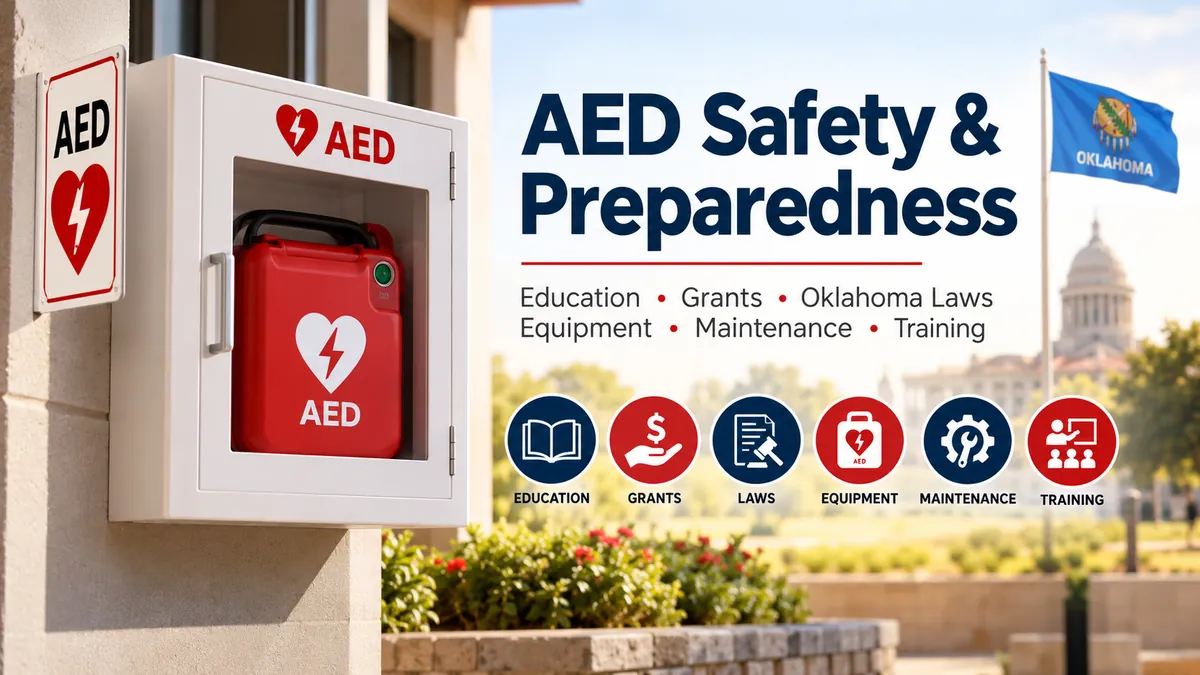
Oklahoma also has a separate law,Title 76, Section 5A, addressing the emergency use of AEDs. It provides civil liability protections for individuals using an AED in good faith without expecting compensation, except in cases involving gross negligence or willful or wanton misconduct. (Justia Law)
These protections aren't unlimited, and circumstances matter. But the important message is that Oklahoma law recognizes the value of people stepping forward to help during emergencies.
You don't have to be a licensed medical professional to be covered by the applicable protections.
Don't let fear of doing something wrong keep you from learning how to do something that could save a life.
You Have Options: CPR Training That Fits Your Life
At Kardiá CPR, I believe learning to save a life should be approachable, practical, and maybe even a little fun.
You don't need a medical background, and you don't have to memorize a textbook before walking into class.
Two great options for everyday people are the American Heart Association's Heartsaver courses and Family & Friends CPR.
Heartsaver First Aid CPR AED
Perfect for people who want hands-on training and a recognized course completion card. Learn CPR, AED use, and First Aid skills for emergencies at home, work, or in the community.
Successful completion of the qualifying AHA course earns a card valid for two years. cpr.heart.org
Family & Friends CPR
A welcoming option for parents, grandparents, families, and community groups who want practical lifesaving skills without needing a certification card.
This AHA program offers hands-on CPR instruction with adult, child, infant, AED, and choking topics available depending on the course modules selected. It is an educational course, not a certification course. cpr.heart.org
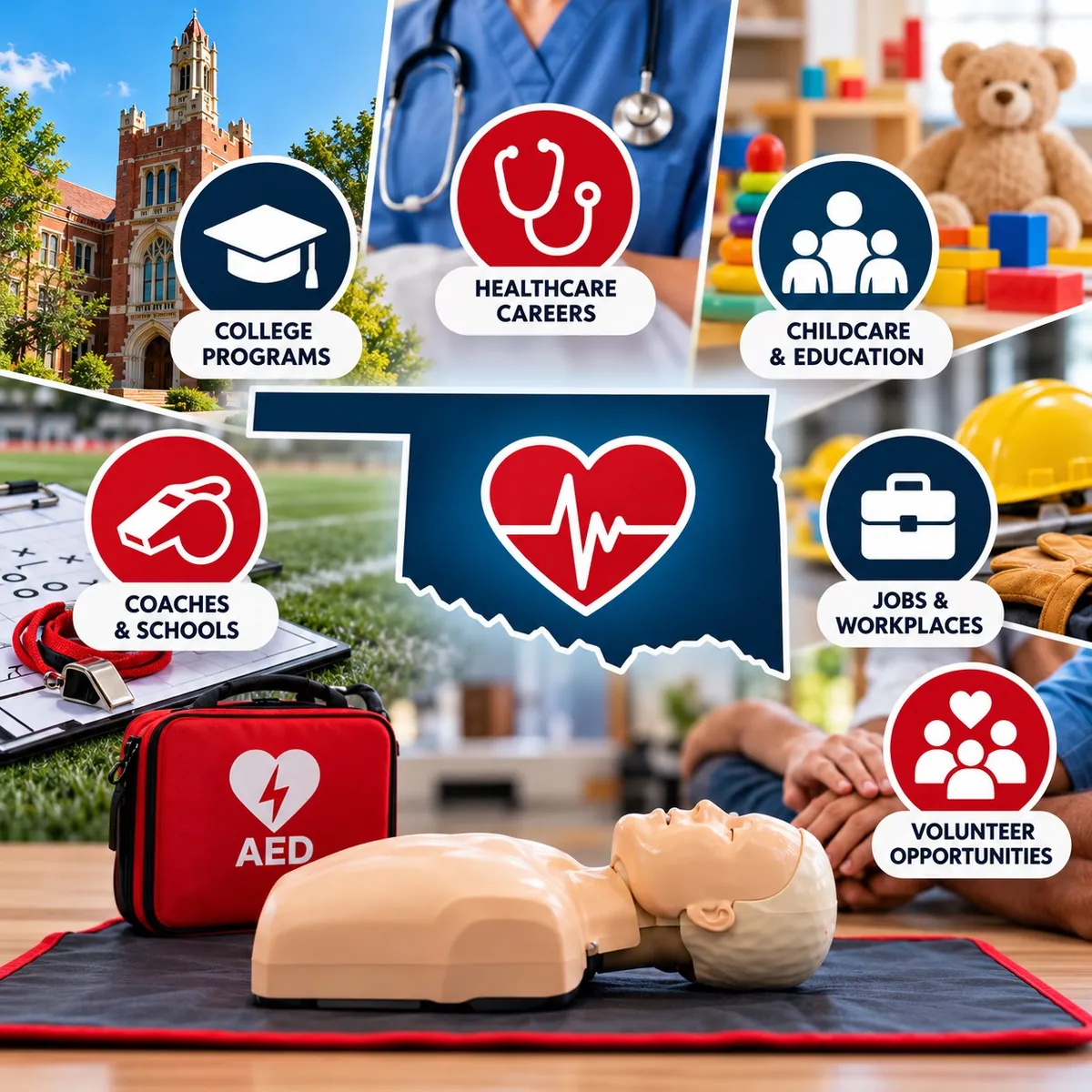
Whether you're preparing for a workplace requirement or simply want to protect the people you love, there's a training option for you.
You May Never Need CPR. But What If You Do?
I hope you never find yourself in a situation where someone needs CPR.
I hope you never have to make that 911 call, perform chest compressions, or reach for an AED.
But hope alone isn't an emergency response plan.
Learning CPR doesn't mean you'll always know exactly what to do or that every emergency will have a happy ending.
It means you've taken a meaningful step toward being prepared.
And someday, that preparation could matter more than you ever imagined.
Maybe it's a stranger at the grocery store.
Maybe it's a coworker.
Maybe it's someone sitting next to you at church.
Or maybe it's someone sitting across from you at the dinner table.
You may not be able to control when an emergency happens. But you can choose to be better prepared when it does.
Be Ready to Make a Difference. Learn CPR Today!
At Kardiá CPR, my goal isn't simply to teach a class and hand someone a card.
It's to help everyday people gain the knowledge, skills, and confidence to respond when someone needs help.
I offer small, hands-on classes throughout the Greater Oklahoma City area, along with group training opportunities across Oklahoma.
Whether you want a Heartsaver First Aid CPR AED course or a Family & Friends CPR class for your household, church, or community group, I'd love to help you get started.
You don't need a cape to be someone's hero. You just need to be willing to learn.
And remember, at Kardiá CPR:
LIFE IS IN YOUR HANDS