How Oklahoma businesses, churches, schools, medical offices, and community organizations can find AED funding, navigate purchasing requirements, and maintain lifesaving equipment.
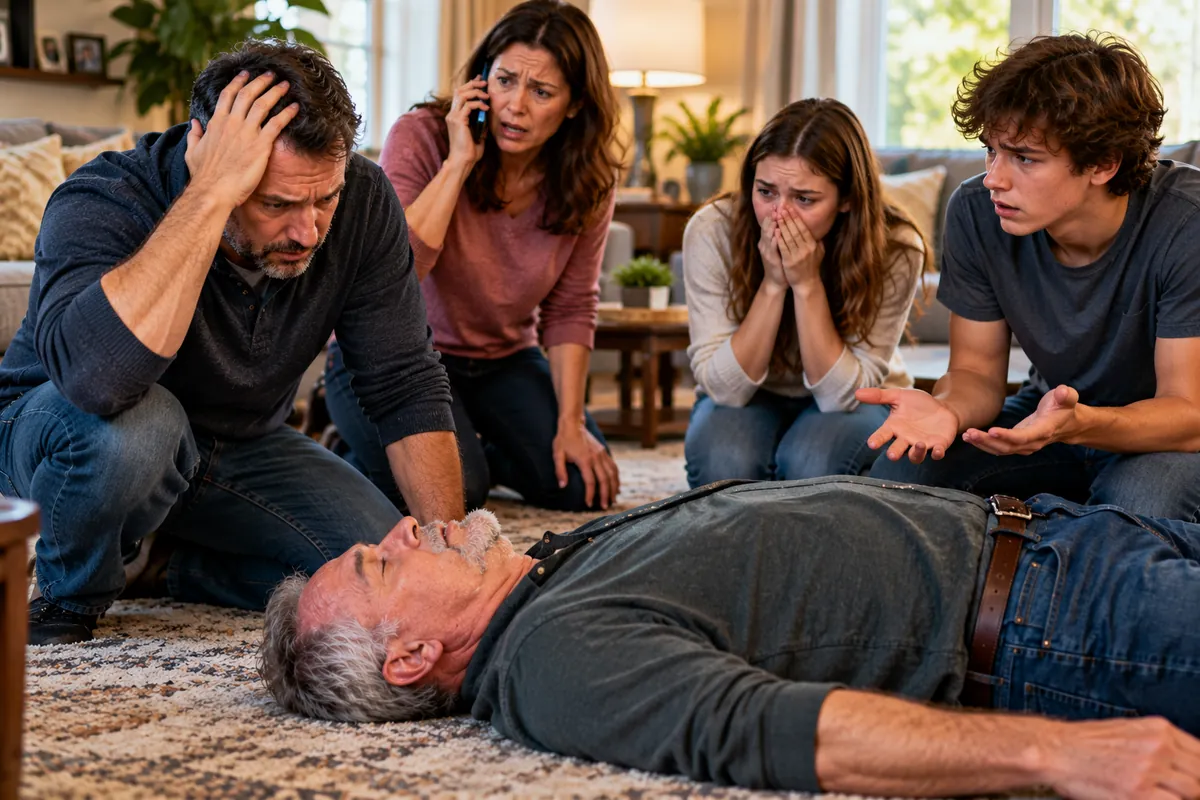
Imagine someone suddenly collapses in your office, church, gym, or waiting room.
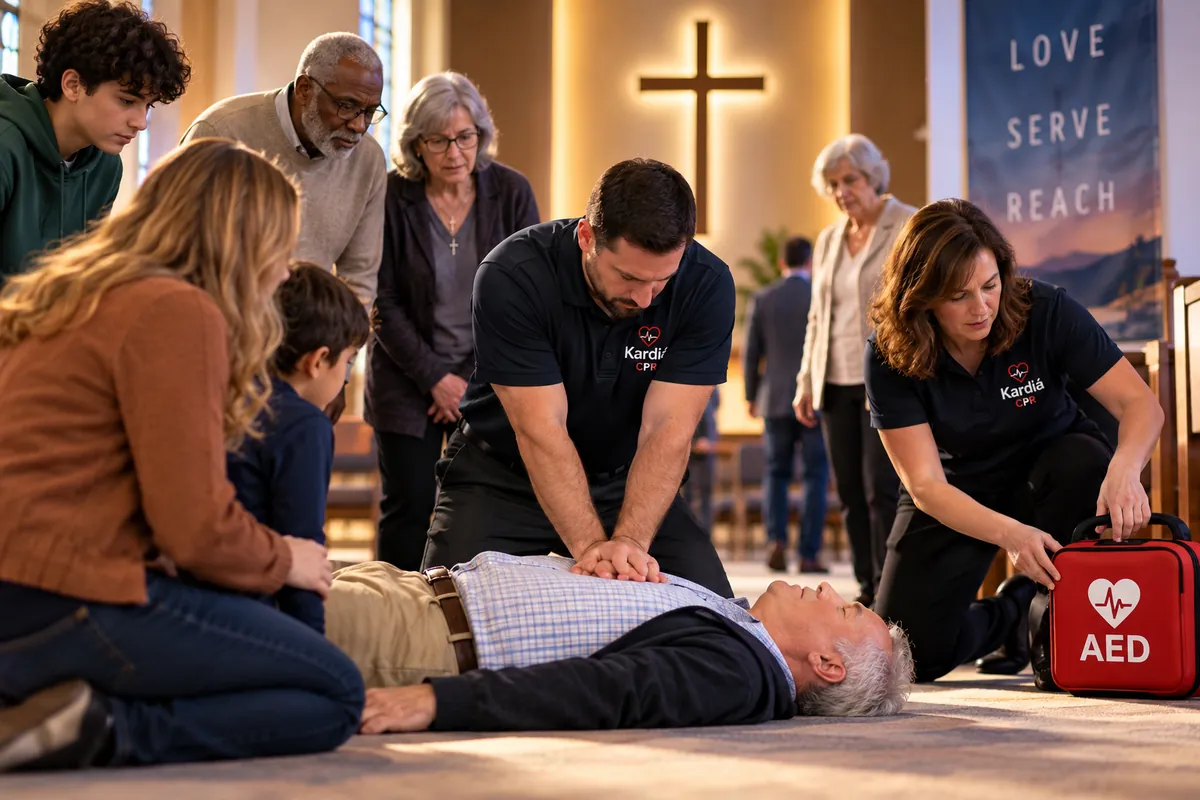
Someone calls 911. Another person begins CPR. But is there an automated external defibrillator (AED) nearby? And if there is, does anyone know how to use it?
Sudden cardiac arrest doesn't make appointments. It doesn't care whether you're at work, attending church, or watching your child's basketball game.
Having an AED available, along with people trained to use it, can make a lifesaving difference.
But purchasing one raises questions. Are grants available? Does Oklahoma require a doctor's prescription? Who handles maintenance?
Here's what Oklahoma organizations need to know.
Quick Answers for Oklahoma Businesses
Are grants available to purchase an AED?
Yes. Programs such as Walmart Spark Good and the Firehouse Subs Public Safety Foundation offer funding opportunities for eligible organizations. Local sponsorships may also help cover equipment costs.
Does Oklahoma require a physician's prescription?
Some AEDs are prescription-only, while others are FDA-authorized for over-the-counter sale. Oklahoma law recognizes prescribing physicians, and some suppliers identify additional state-specific requirements. Confirm the requirements for your selected AED before purchasing.
Can an AED supplier help with the prescription?
Yes. Some suppliers offer physician authorization or medical oversight services. Organizations may also work with their own appropriately licensed physician.
Does Oklahoma require AED registration?
Under Oklahoma Statutes, Title 76, Section 5A, AED owners must communicate the device's location and placement to the proper first responder. Contact your local EMS agency to determine the appropriate notification process.
Who maintains the AED?
The organization should designate someone to oversee inspections, replacement supplies, equipment readiness, and maintenance according to the manufacturer's instructions.
1. Why AEDs Matter: CPR and Defibrillation Work Together
According to the American Heart Association (AHA), more than 350,000 adults experience out-of-hospital cardiac arrest annually in the United States.
During cardiac arrest, the heart suddenly stops pumping blood effectively. Without immediate intervention, the brain and vital organs are deprived of oxygen.
Two essential parts of an effective response are high-quality CPR and early defibrillation.
CPR helps circulate blood. An AED analyzes the heart's rhythm and, when appropriate, delivers an electrical shock that may help restore an effective rhythm.
Not every cardiac arrest involves a shockable rhythm, which is why continuing CPR and following the AED's instructions are so important.
How Does an AED Support Basic Life Support (BLS)?
BLS involves recognizing cardiac arrest, activating emergency medical services, performing high-quality CPR, and using an AED as soon as one becomes available.
An AED supports BLS by identifying shockable heart rhythms and guiding rescuers through defibrillation.
The AHA recommends that public-access AED programs work toward delivering a shock within three to five minutes of collapse.
CPR helps keep blood circulating. An AED may help restore an effective heartbeat. Together, they provide a stronger emergency response.
Sources:
2. Finding AED Grants and Funding in Oklahoma
Purchasing an AED may involve more than the device itself. Organizations may also need a protective cabinet, signage, pediatric accessories, and employee training.
Fortunately, grants and community sponsorships may help offset these costs.
Walmart Spark Good Local Grants
Walmart's Spark Good Local Grants program offers $250 to $5,000 to eligible community organizations.
Eligible applicants include qualifying nonprofits, schools, government entities, and certain faith-based organizations.
The published 2026 application periods are:
February 1 to April 15
May 1 to July 15
August 1 to November 30
Organizations must complete verification and apply through Spark Good.
Important: AED purchases and cabinets are not automatically approved expenses. Applicants should confirm eligibility before applying.
Walmart Spark Good: Local Grants
Firehouse Subs Public Safety Foundation
The Firehouse Subs Public Safety Foundation provides grants supporting lifesaving equipment and public safety initiatives.
AEDs may qualify under its equipment funding priorities.
However, the program primarily serves eligible first responders and public safety organizations. Ordinary private businesses should not assume they qualify.
Review current guidelines, obtain an itemized equipment quote, and apply during an available funding cycle.
Firehouse Subs Public Safety Foundation: Grant Information
Oklahoma School AED Funding
Under Oklahoma's Zachary Eckles and Luke Davis Automated External Defibrillators in Schools Act, school districts must make AEDs available at each school site when specified federal funding or private donations are available.
The Oklahoma State Department of Education is also directed to provide school districts with information about potential funding sources.
Schools should review these resources when planning AED purchases or replacements.
Oklahoma Statutes: 70 O.S. § 1210.200
Local Foundations and Community Sponsorships
Formal grants aren't the only option.
Local businesses, hospital foundations, civic organizations, and charitable donors may be willing to help purchase AED equipment.
For example, a business might sponsor an AED for a church, youth sports facility, or community center.
Several smaller donations could also help cover the cost.
These are potential fundraising strategies, not guaranteed funding programs.
Tips for Preparing an AED Funding Request
Whether applying for a grant or approaching a sponsor, prepare a simple proposal explaining:
Who will benefit: Employees, patients, students, visitors, or community members.
Why the AED is needed: Your facility's emergency preparedness needs.
What equipment is required: AED, cabinet, signage, accessories, and eligible training.
Where it will be installed: A location allowing quick access.
Who will maintain it: The person or department responsible for ongoing readiness.
Include an itemized vendor quote and verify which expenses the funding program allows.
Remember to budget for future replacement pads, batteries, and other maintenance costs.
3. Does Oklahoma Require a Physician's Prescription to Purchase an AED?
This is an important question to resolve before placing an order.
Under federal regulations, some AEDs are prescription-only medical devices. Others have FDA authorization for over-the-counter sale.
Oklahoma law, 76 O.S. § 5A, recognizes prescribing physicians and provides certain civil liability protections for physicians, AED owners, and rescuers.
However, that statute does not expressly establish a universal prescription requirement for every AED model.
Because suppliers may identify additional Oklahoma-specific purchasing requirements, organizations should verify the requirements for their selected equipment.
The practical approach is to obtain physician authorization for prescription-only AEDs and confirm all applicable Oklahoma requirements with the supplier before purchasing.
Oklahoma Statutes: Title 76, Section 5A
How Can an Organization Obtain Physician Authorization?
There are two common approaches.
Option 1: Use your organization's physician.
A business may consult its medical director, occupational health physician, or another appropriately licensed physician.
The physician can review the proposed AED purchase and, when appropriate, provide the required medical device order.
Option 2: Use an AED supplier offering medical authorization services.
Some AED suppliers and program management companies provide access to physician authorization or medical oversight services.
Ask whether authorization is included in the purchase price, whether additional fees apply, and whether ongoing medical oversight is provided.
ZOLL: AED Laws and Medical Oversight
What if the Doctor Doesn't Know How to Write an AED Prescription?
An AED prescription is a medical device order rather than a medication prescription.
The simplest approach is to request the supplier's prescription form or documentation requirements.
The process generally involves:
Identifying the AED manufacturer and model.
Providing the purchasing organization's information.
Having an authorized physician review the request.
Including the physician's name and required licensing information.
Having the physician sign and date the order.
Submitting the documentation to the supplier.
There is no single universal AED prescription form established by the cited federal regulation. The physician and supplier should confirm the required format.
21 CFR § 801.109: Prescription Devices
4. Oklahoma AED Laws: What Happens After Purchase?
Oklahoma's primary AED liability statute is 76 O.S. § 5A.
One important requirement appears in subsection D:
Anyone who owns, leases, possesses, or otherwise controls an AED must communicate its location and placement to the proper first responder.
For businesses, churches, clinics, and other organizations, this means contacting the appropriate local emergency response agency and asking how AED location information should be submitted.
Keep documentation of the notification and update the information if the AED is relocated.
The statute also provides certain civil liability protections for qualifying AED users, prescribing physicians, and equipment owners, subject to its stated exceptions.
These protections do not eliminate the importance of proper equipment care and emergency planning.
Oklahoma Statutes: 76 O.S. § 5A
5. AED Maintenance, Cabinets, and Employee Training
Purchasing an AED is only the beginning.
An organization should designate someone to oversee equipment readiness and establish a maintenance schedule based on the manufacturer's instructions.
AED Maintenance Responsibilities
Routine responsibilities include:
Checking the AED's readiness indicator.
Inspecting the equipment according to the manufacturer's schedule.
Monitoring battery and electrode-pad replacement dates.
Keeping the AED accessible and properly stored.
Inspecting cabinets and signage.
Maintaining inspection and service records.
Replacing used supplies after an emergency.
Responding to safety alerts and manufacturer recalls.
A protective cabinet can improve visibility, protect equipment, and provide an alarm when opened.
However, a cabinet doesn't replace routine maintenance.
Oklahoma Weather and AED Storage
Oklahoma's extreme summer heat, winter cold, and changing weather conditions can affect equipment storage.
Organizations installing AEDs outdoors or in unconditioned spaces should check the manufacturer's specified temperature range.
Outdoor locations may require weather-resistant, temperature-controlled cabinets.
Don't assume a standard indoor cabinet is suitable for outdoor use.
Why Employee Training Matters
AEDs are designed to guide rescuers through their operation, but training helps people recognize cardiac arrest and respond confidently.
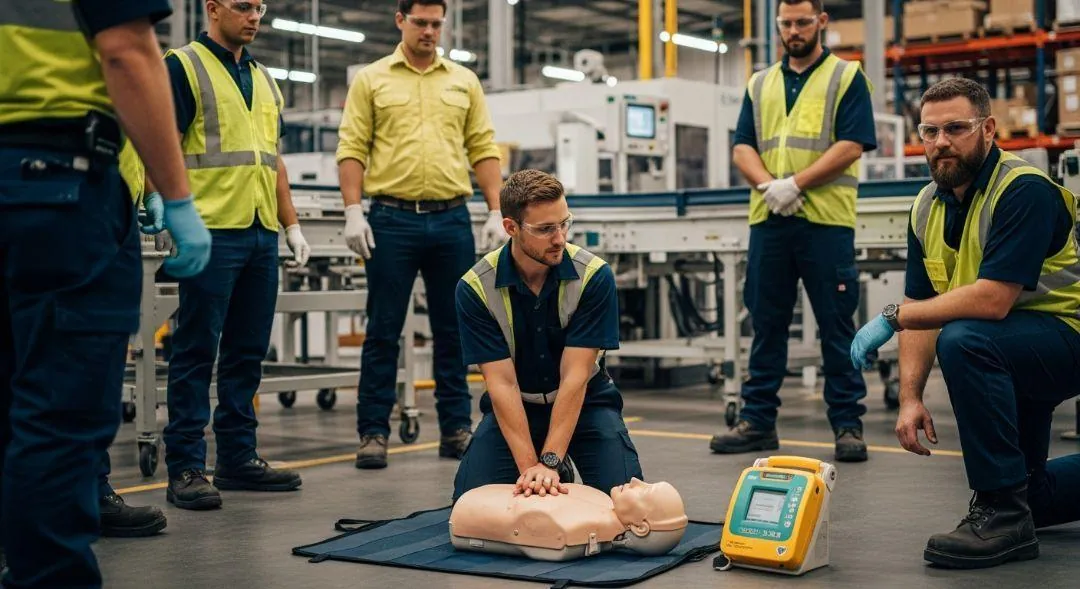
CPR and AED training teaches participants how to recognize an emergency, call 911, perform effective chest compressions, use an AED, and coordinate with other rescuers.
Organizations should consider having trained personnel available across operating hours and work shifts.
After all, an AED hanging on the wall won't do much good if nobody knows it's there!
Sources:
6. Oklahoma AED Readiness Checklist
Before considering your AED program complete, review these steps:
Evaluate your facility and identify appropriate AED locations.
Compare FDA-approved AED models and accessories.
Explore grants, donations, and sponsorships.
Verify prescription requirements for the selected AED.
Arrange physician authorization when required.
Purchase and install the AED and appropriate cabinet.
Notify the proper first responder of the AED's location.
Establish an emergency response plan.
Provide CPR and AED training.
Assign someone to oversee inspections and maintenance.
Monitor batteries, pads, and equipment readiness.
7. Preparedness Is More Than Equipment on a Wall
An AED can be a lifesaving tool, but it can't recognize a cardiac arrest from across the room, call 911, or begin CPR.
Someone has to take those first steps.
That's why accessible equipment, training, and emergency planning belong together.
Whether you operate a business, medical clinic, church, school, or community organization, understanding your AED options is an important part of preparing for emergencies.
Funding assistance may be available. Physician authorization may be required for your selected equipment. And once you have an AED, you'll need a plan to keep it ready.
Most importantly, you'll need people willing and prepared to act.
The best time to prepare for a cardiac emergency is long before one happens.
At Kardiá CPR, our goal is to help Oklahomans develop the knowledge, skills, and confidence to respond through hands-on CPR, AED, First Aid, and BLS training.
If your organization is reviewing its emergency preparedness, consider whether you have both accessible AED equipment and people trained to use it.
Because when someone needs help, being prepared matters.
Kardiá CPR. LIFE IS IN YOUR HANDS.
Disclaimer: This article provides general educational information, not legal or medical advice. Grant eligibility, AED purchasing requirements, and equipment specifications may change. Confirm applicable requirements with the appropriate regulatory authority, AED supplier, manufacturer, or qualified professional before purchasing equipment.